


Outdoor rubbish can often lead to serious indoor pest infestations. Overflowing bins, scattered litter and poorly managed waste attract pests. Once pests establish themselves outside, they can quickly invade homes, businesses and other buildings. Understanding how rubbish causes infestations is essential to protecting your property.
Overflowing bins and their risks
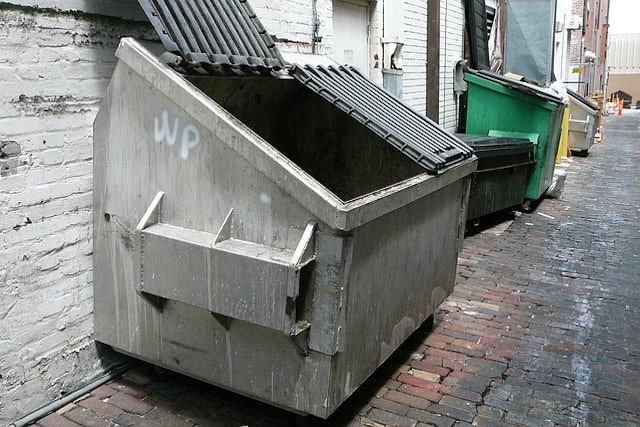
Overflowing household dustbins, wheelie bins and commercial dumpsters are magnets for pests. When waste is not properly contained, it emits strong odours that attract rats, mice and other vermin. These rodents can easily access poorly secured bins. Additionally, insects like flies, cockroaches and wasps swarm to uncovered rubbish, feeding on organic waste and breeding in moist areas.

Larger pests such as foxes or gulls can also tear open bin bags that are left outside. This not only spreads rubbish across a property, but also provides access for smaller pests. In addition, overflowing bins near building entrances increase the likelihood of pests finding their way indoors.
Pests invade when rubbish causes infestations
Outdoor pests attracted by rubbish rarely stay outside. Once pests establish themselves outside, it is only a matter of time before they move indoors through small cracks, vents or gaps. Rats and mice, in particular, seek out warm spaces like lofts, basements or kitchens once they are initially drawn to a property. Insects may come in through open windows and doors. Also, rubbish causes infestations because cockroaches and ants follow trails of food waste from bins into homes, creating infestations that are hard to eliminate.
Pests near rubbish can also bring diseases. Rodents carry harmful bacteria, while flies spread germs by landing on surfaces after feeding on waste. These risks become even greater when pests access indoor areas, contaminating kitchens, larders and other spaces where food is stored.
To minimise the risk of infestations, proper waste management is crucial. Always use bins with secure lids to stop pests from accessing food scraps. Avoid overfilling household dustbins and wheelie bins, and never leave bin bags exposed. When using communal dumpsters, ensure the lids close properly and report any overflowing bins to the local council or property manager.
Regularly clean around bins to remove spills, crumbs and other waste that can draw pests. Place bins away from doors and windows, as this reduces the chance of pests finding a direct route inside. Finally, when rubbish causes infestations, scheduling professional pest control inspections can help identify and address problems before they escalate.
By maintaining clean and secure waste areas, you can significantly reduce the risk of indoor pest infestations caused by outdoor rubbish. Prevention is always more effective and less stressful than dealing with an infestation.


