


Pigeons are a notorious bird pest in London and throughout the UK. Whether they are nesting under your solar panels, roosting on your commercial building or covering vehicles with droppings, they can quickly become a nuisance. Pigeon droppings are unsightly, slippery and acidic enough to damage stonework, paintwork and roofing materials over time. In some situation they present a serious health and safety hazard.
Beyond the mess, pigeons can also introduce mites, bird fleas and other parasites around a property. For businesses, excessive pigeon activity can create hygiene concerns and leave a poor impression on customers. Fortunately, there are a number of pigeon deterrent devices and proofing methods available in 2026 that can help keep them away.
Different Types of Pigeon Deterrent Devices
There is no single solution that works in every situation. The most effective pigeon deterrent devices depend on where the birds are landing, nesting or feeding. In London, professional bird control often combines several methods to achieve long-term results.
Bird Spikes
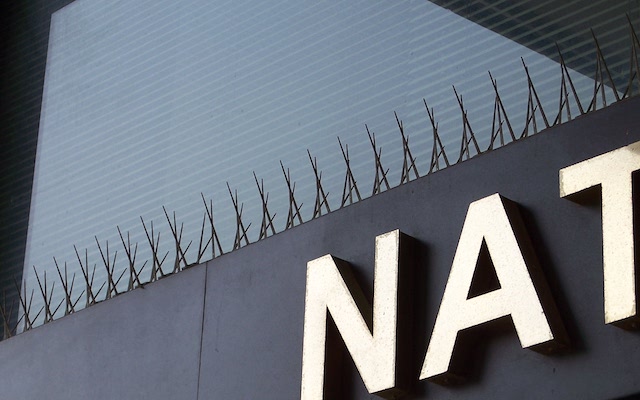
Pigeons frequently perch on ledges, signs, parapet walls, gutters and roof edges. Bird spikes create an uneven surface that prevents them from landing comfortably.
Modern stainless steel bird spikes are one of the most popular pigeon deterrent devices in London because they are discreet, durable and suitable for both residential and commercial properties. When you install them correctly, they prevent roosting without harming the birds.
Ultrasonic Bird Repellent
Ultrasonic deterrents use high-frequency sounds that make an area uncomfortable for birds. Some models activate when they detect movement, while others operate continuously.
Although results can vary depending on the environment, ultrasonic devices are sometimes warehouses, roof spaces and other enclosed areas where pigeons repeatedly gather.
Bird Netting
Bird netting is one of the most effective long-term solutions for larger areas. It creates a physical barrier that prevents pigeons from accessing roofs, courtyards, loading bays and other vulnerable spaces.
Across London, which has a significant pigeon problem, netting is widely used on commercial buildings, schools, warehouses and blocks of flats where persistent pigeon problems need a more comprehensive solution.
Predator Statues
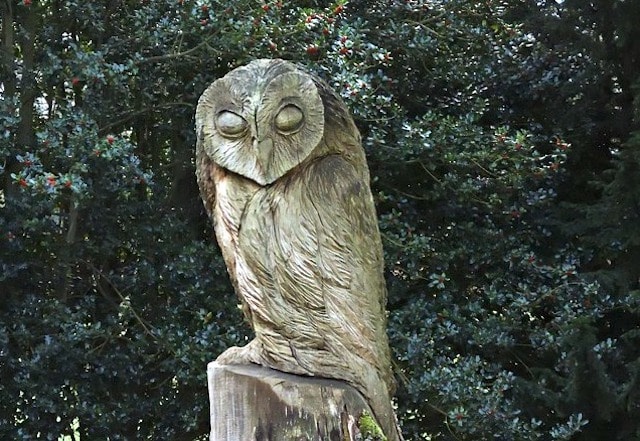
Artificial owls, hawks and falcons are a common way to scare pigeons away from gardens and smaller properties. The idea is simple: pigeons are less likely to settle where they believe predators are present.
To keep being effective, you should move these deterrents around regularly. Static predator models often lose their impact once birds realise there is no genuine threat.
Visual Deterrents
Reflective tapes, rotating devices and other visual deterrents make birds feel uncomfortable in an area. These products can provide short-term results, particularly when pigeon activity is relatively low.
However, pigeons often become accustomed to static deterrents over time, so they generally work best alongside other control methods.
Bird Repellent Gel
You can place bird repellent gels on surfaces where pigeons regularly land. The gel creates an unpleasant texture that encourages birds to move elsewhere.
Modern bird gels are meant to deter rather than trap birds. They can be useful on ledges, beams and signs where other pigeon deterrent devices may not be practical.
Falconry and Birds of Prey
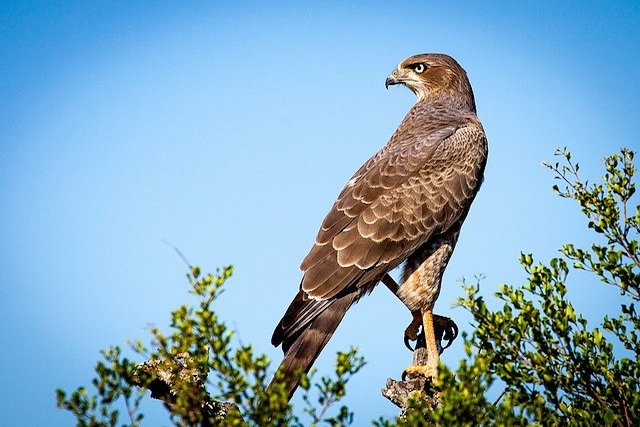
Some large commercial sites use trained birds of prey like falcons to discourage pigeons from gathering. The presence of a hawk or falcon creates a natural threat that encourages pigeons to relocate.
This approach is most often seen at airports, industrial estates, sports venues and large public spaces rather than residential properties.
Post and Wire Systems
Post and wire systems are usually installed on ledges, parapets and architectural features where aesthetics are important. Thin stainless steel wires create an unstable landing area that discourages pigeons from settling.
Because they are less visible than spikes, post and wire systems are often chosen for historic buildings, offices and high end residential developments.
Solar Panel Bird Proofing
Solar panel bird proofing has become increasingly popular in recent years. Pigeons often nest underneath solar panels because the space provides warmth, shelter and protection from predators.
You can fit specialist mesh systems around the perimeter of the panels to prevent bird access while allowing airflow and maintaining system performance. In 2026, this is now one of the most requested pigeon control services in London.
Reducing Food Sources
One of the simplest forms of pigeon control is removing access to food. Overflowing bins, thrown away takeaway food and intentional feeding all encourage pigeons to remain in an area.
Many London boroughs actively discourage public feeding because large pigeon populations quickly become difficult to manage. Good waste management and site maintenance can significantly reduce nuisance bird activity around both homes and businesses.


