


As September draws to a close, wasp activity in London begins to change. The large colonies that have been active throughout summer are approaching the end of their annual cycle, but that does not mean every wasp suddenly disappears when autumn arrives.
You may still see wasps around your garden, roofline or windows on warm autumn days. You may even find a wasp inside your London home, loft space or shed. This often leads to a common question: do wasps hibernate in houses?
The answer is that some wasp queens do spend the winter in sheltered places, and buildings can provide suitable hiding places. However, a wasp found indoors during autumn is not necessarily a hibernating queen.
What Happens to Wasps In Autumn?
By late September and into October, a social wasp colony is reaching the end of its natural seasonal cycle.
During spring and summer, a queen establishes the nest and produces workers. The workers then take over much of the work involved in expanding and maintaining the colony, feeding the developing larvae and searching for food.
Later in the year, the colony produces new queens and males. These reproductive wasps leave the nest and mate. The newly fertilised queens then look for sheltered places where they can survive the winter.
The existing workers and males do not overwinter in the same way. They eventually die as the colony declines, leaving the new queens to begin the cycle again the following spring.
Where Do Wasp Queens Hibernate?
A fertilised queen needs somewhere protected from cold weather, rain and predators. She may choose a naturally sheltered location such as a gap underneath bark, a hollow in vegetation or another protected crevice. However, buildings can also provide suitable places.
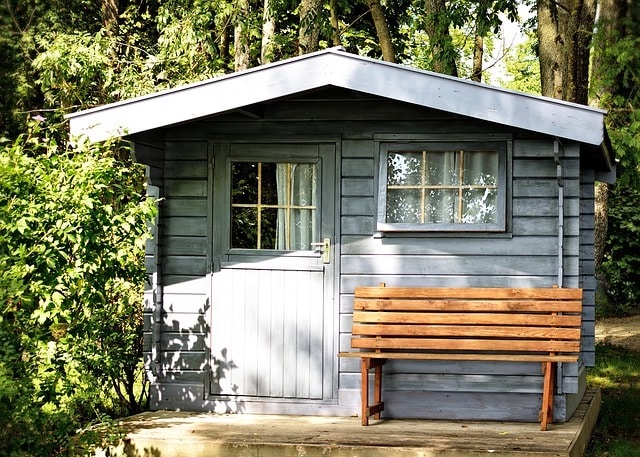
Around London homes, potential overwintering sites can include loft spaces, roof voids, sheds, garages, wall cavities and other undisturbed areas. Cracks and gaps around the outside of a property can provide access to these sheltered spaces.
This does not mean every queen entering a house will remain there throughout winter. Wasp behaviour varies, and a queen may simply be looking for temporary shelter before moving elsewhere.
Why Are Wasps Still Around in September?
The kind of warm, sunny autumn weather we are having in 2026 can keep wasps active, particularly during the earlier part of the season. London can also experience relatively mild conditions compared with some rural areas, while the built up environment creates plenty of sheltered places around buildings.
At this time of year, wasps may be particularly noticeable around gardens, fruit trees, outdoor food, bins and other sources of sugar. As natural food sources change through autumn, wasps can become more interested in sweet substances. Fallen fruit, sugary drinks, food waste and other sources can attract them to gardens and outdoor areas.
Can A Wasp Queen Hibernate in A London Loft Space?
Yes, a loft can provide the kind of sheltered environment a queen may use for overwintering. Lofts are generally well protected from rain and wind, while roof structures contain numerous small spaces where an queen wasp can remain undisturbed. Sheds, garages and other outbuildings can provide similar shelter.
London’s large number of older homes can also mean there are plenty of gaps, cavities and hidden spaces that offer potential overwintering sites. That does not mean you should search through your loft looking for a dormant queen. A hibernating queen may be difficult to find, and disturbing one can cause unnecessary problems.

Will A Hibernating Queen Build a Nest In Your House?
It is possible, but relatively uncommon, for a hibernating queen to establish her new nest inside the same house where she spent the winter. It is not inevitable. If she has overwintered indoors, she may remain in the building when she becomes active in spring or could choose a suitable location nearby for her new nest.
A queen that survives the winter does not simply move back into her abandoned old nest and start using it again. When spring arrives, she becomes active and begins looking for a suitable location to establish a new colony, building a new nest and raising the first generation of workers.
So, finding a hibernating queen in your house during winter means there is a possibility she could establish a nest there in spring, particularly if she finds a suitable sheltered space. But it doesn‘t mean she is certain to do so.
Should You Remove an Old Wasp Nest in Autumn?
An old nest at the end of the season is generally no longer functioning as the centre of an active colony. However, finding an old nest indoors can tell you something useful about the property. If wasps successfully established a nest in your loft, roof void, shed or another part of the building this year, there may be an accessible route that could potentially be used again by insects in the future.
The most useful step is therefore to identify how wasps gained access and whether there are suitable gaps that should be addressed. Wasp nest removal should always be carried out by professionals.
How Can You Reduce Wasp Problems Next Spring?
Autumn is a useful time to inspect the outside of your property. Check roof edges, soffits, fascias, vents and areas around windows for gaps or damage. Look at sheds, garages and other outbuildings too, particularly if you have previously had wasp nests in these areas.
Keep food waste and bins securely closed and clear fallen fruit from the garden where practical. During warm autumn weather, these sources can attract large numbers of wasps. If your property has previously had a wasp nest in a loft or roof space, it is worth paying particular attention to pest proofing in the same area.
What If You Find A Wasp Indoors In Autumn?
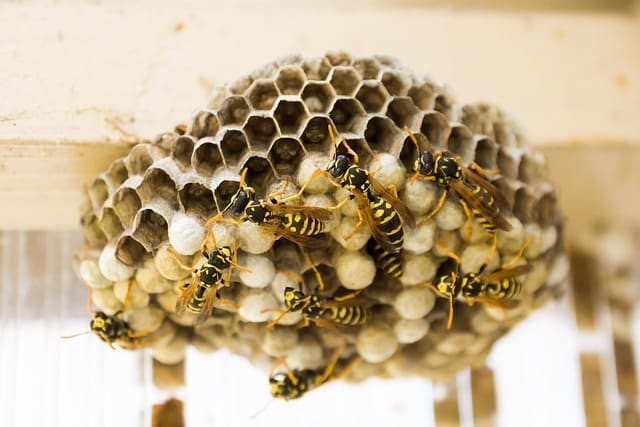
Wasps can accidentally enter houses through open windows and doors, but they may also find their way through small gaps around rooflines, windows, vents and other parts of the building. A wasp inside a property in autumn may simply have been attracted by light or warmth. It may also be a queen searching for a sheltered place to hibernate.
One wasp flying around a room does not necessarily mean there is a nest inside the property. However, if you repeatedly see wasps indoors, particularly around a loft hatch, window, ceiling, roofline or wall, there may be a more specific reason for their presence. Repeated wasp activity in the same area deserves closer attention, particularly if wasps appear to be entering through a particular gap or emerging from a roof void or wall.
Avoid disturbing the insects unnecessarily and cautiously investigate where they appear to be coming from. Wasps can become defensive when their nest is disrupted. Attempting to block an entrance to an active nest or remove it yourself can increase the risk of being stung.
Why Call a Local Wasp Control Expert?
If you discover an active nest, or increased wasp activity anywhere on your property, contacting professional London wasp control service is the safest approach.
For London homeowners, September and October are useful months to pay attention to wasp activity and check potential access points around the property. Warm autumn weather can keep wasps active, while sheltered spaces around buildings can provide opportunities for queens preparing for winter.
If you have noticed repeated wasp activity around your London property, found an active nest or are concerned about wasps entering your loft or roof space, call Diamond Pest Control for reliable advice and wasp nest removal across the capital.


