


While moths do not go into hibernation, they do become less active during the cooler months. What this also means is that as soon as it gets warm, they start to re-emerge. In fact, it’s during summer that moth numbers massively increase. But what kinds of problems can these summer moths cause, and what sort of moth control and prevention should you put in place to deal with them?
Why moth numbers rise during warm weather
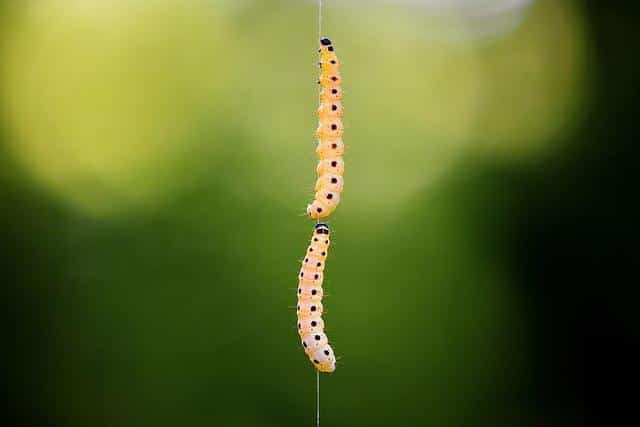
As anyone who has ever had a moth infestation will testify, moth numbers rapidly increase in the summer. This is simply because the warm weather prompts moth eggs to start hatching into larvae. Once these larvae (or moth caterpillars) have fattened up with plenty to eat, they transform and reach the flying adult stage.
What you have to understand is that not all moths pose a danger to homeowners. Most moths are completely harmless. These moths live outside and rarely come indoors. Being attracted to the light coming from inside the house, they will often sit on the outside of your window, but are not interested in coming in. On the other hand, many moths are extremely destructive. These include the pantry moth and the common clothes moth.
The first step to getting rid of the type of moths that infest homes is awareness. Understanding when and where moth numbers increase most is key. This means you need to take precautions during the warmer months.
What kind of problems do these moths cause?
The pantry moth lives anywhere that food is stored. These moths mostly feed on grains and are attracted to things like flour, bread and pasta. These pests can become a serious irritation if they get into your cupboards and moth numbers get out of hand. With pantry moths, ensure that your kitchen cupboard doors close tightly. All food should also be stored in containers that are sealed properly.

Clothes moths live anywhere that clothing is stored, although they do eat other things like carpets and upholstery. These moths feed on natural materials such as wool, fur or cotton. Note that it’s not actually the moths that eat these materials, but the caterpillars. Preventing cloths moths is a little more tricky. To begin with, your clothes should be stored properly. Try to put them in plastic clothing bags, plastic containers or well sealing, clean modern wardrobes. It also helps to wash clothing before storing. This will kill any eggs that have been laid on the clothing. Never store dirty clothes because the scent of human perspiration attracts moths.
Finally, place anti-moth deterrents around both your kitchen and clothing storage areas. This can include cedar wood balls. You could also place pheromone traps. These traps attract male moths, which then die inside the trap. Along with this, you must periodically inspect your cupboards for signs of rising moth numbers. Moths thrive best when they are undisturbed for long periods of time.


