


A moth infestation can cause significant damage to both homes and businesses. Understanding the risks and taking action early will help reduce these impacts. Moths may seem harmless, but their larvae can wreak havoc on fabrics, clothing and even food. Preventing a moth infestation requires vigilance and a solid pest control plan.
How moth larvae cause damage
Moth infestations become problematic when their larvae hatch. The larvae, not the adult moths, are responsible for the damage. When adult moths lay eggs, they tend to do so in areas where their larvae will have a readily available food source. This could include wool carpets, rugs or clothes stored in wardrobes. We often find that homeowners first notice a moth infestation when they discover holes in clothes or damage to carpets.
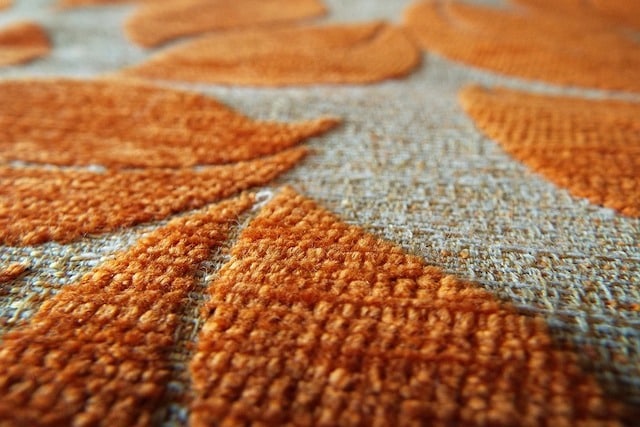
Clothes moth larvae feed on natural fibres like wool, silk and cotton. They find keratin, a protein found in animal-based materials, especially attractive. Over time, a moth infestation can lead to severe damage to fabrics, especially those made from these materials. Regularly inspecting clothing and upholstery can help you identify an infestation early.
Besides clothing and textiles, moth larvae can also infest food storage areas. Pantry moths, for example, will lay their eggs in flour, grains and cereals. Once hatched, larvae will feed on these dry goods, contaminating food supplies. Moth infestations in kitchens and larders can result in considerable food wastage.
Areas most at risk of a moth infestation
Certain areas in your home are more susceptible to a moth infestation than others. Wardrobes, attics, basements and other storage areas often provide an ideal environment for moths to lay eggs. These locations are often dark and undisturbed, allowing larvae to thrive unnoticed. We recommend regular cleaning and vacuuming in these areas, especially if you store natural-fibre clothing or furniture.

Textile moths, such as the common clothes moth, will target clothing, upholstery, soft furnishings and carpets. Homeowners often overlook attic spaces where old clothes or furniture are kept, making these areas prime spots for infestations. Checking and airing out these items can prevent moths from settling in.
Similarly, pantry moths infest food storage spaces in kitchens or cupboards. Dry goods left unattended for long periods can become breeding grounds for these pests. To prevent this, store grains, cereals and flour in airtight containers, and regularly check food items for signs of larvae.
In both homes and commercial properties, moth infestations can spread quickly. Shops that sell fabrics, clothes or rugs, such as vintage or second-hand shops, are also at high risk. Business owners must remain vigilant, especially during quieter periods when stock remains undisturbed. If you suspect an infestation, professional intervention will ensure the problem is dealt with thoroughly. Call us today for effective moth control in your London property.


