


Fleas are often associated with pets, yet they can cause significant problems for people too. Their bites may seem like a minor irritation at first, but the hidden hazards can be greater than most homeowners realise. Understanding the true risks of flea bites helps you identify problems early and protect both your family and your pets from avoidable discomfort.
Why flea bites are more serious than they appear
Flea bites usually appear as small, red, itchy bumps on the skin. They are often found on the legs, ankles or waistline, and can become intensely itchy within minutes. Scratching these bites can lead to broken skin, which increases the impact of flea bites by creating an entry point for germs. Secondary infections such as impetigo or cellulitis may develop when bacteria enter through affected skin, and treatment is often required to stop symptoms from worsening.
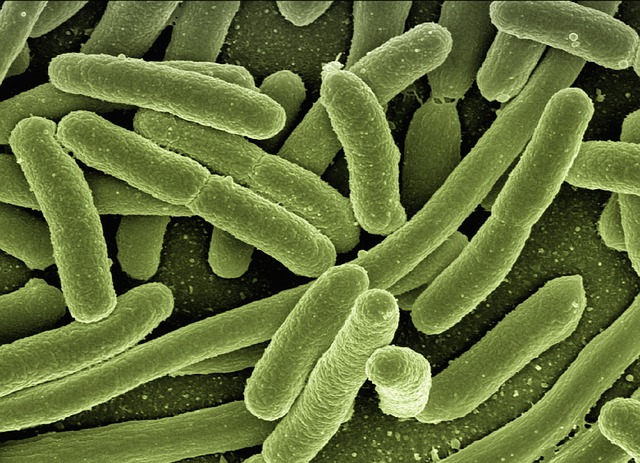
Fleas can also carry bacteria and parasites. One of the most concerning examples is Bartonella, which can transmit from fleas to pets and sometimes to humans. Fleas also spread tapeworms to animals and occasionally to people if they accidentally ingest flea eggs. While these cases are not excessively common, they show why it is important to treat these insects properly rather than ignoring early signs of fleas.
Another hidden problem is allergic reactions. Some people and pets are sensitive to flea saliva, which causes flea allergy dermatitis. This leads to severe itching, swelling and inflamed patches of skin. In pets it can result in hair loss, scabbing and long term skin irritation if not addressed promptly. These reactions are one of the most underestimated risks of flea bites, as they can escalate quickly and cause considerable distress.
How infestations increase health and hygiene issues
When a flea infestation really takes hold inside a home, the risks of flea bites rise sharply. Fleas reproduce rapidly, laying eggs in carpets and bedding, furniture, and gaps between floorboards. Because only a small percentage of their population lives on the host, an infestation can spread before it becomes obvious. This means people may continue to experience bites even after treating pets, as the environment remains contaminated.

Infestations also affect mental wellbeing. Persistent itching, disrupted sleep and worries about pests in the home can create stress, particularly for families with young children. Tackling the problem early reduces these pressures and prevents larger outbreaks from developing.
Regular vacuuming, pet treatments and professional London flea control when needed are the most effective ways to reduce the risks associated with flea bites. By dealing with fleas at the first sign of activity, you protect your household from discomfort, infection, illness and long term infestation.


