


Pests can pose significant issues for businesses, from damaged property to health risks for customers and staff. When pests gain entry, they can disrupt daily operations and even lead to a bad reputation. However, pest proofing can keep these issues at bay. By investing in preventive measures, businesses create a safe, clean environment for employees and the public alike.
The importance of pest prevention
Pest proofing means implementing measures to prevent pests from entering a property. It involves sealing entry points, maintaining cleanliness, and using physical or chemical barriers to deter pests. Businesses can benefit greatly from pest prevention, especially since it helps avoid pest-related problems before they begin. Unlike standard pest control, which addresses infestations after they happen, pest proofing works proactively. This approach reduces the likelihood of future infestations, saving both time and money in the long term for commercial enterprises.
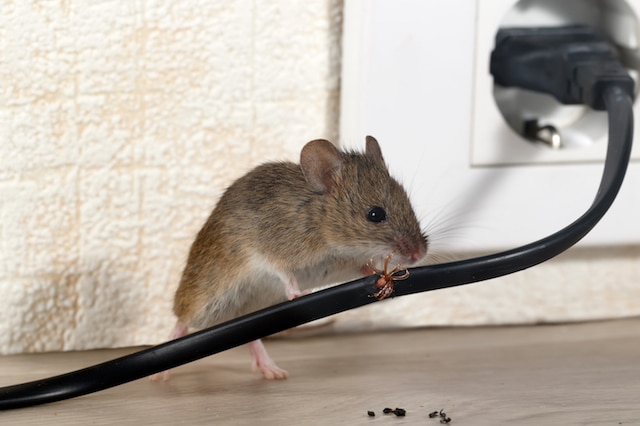
Health and safety is a top reason why businesses consider this option. Pests carry bacteria and diseases, and they can contaminate food, surfaces and equipment. In environments like restaurants and cafes, this contamination is a serious issue. Offices and retail spaces are not immune either. Pests like rodents or cockroaches can damage documents, furniture and electronic equipment. By prioritising pest proofing, businesses help ensure a healthy workplace and meet health regulations.
Pest proofing also offers peace of mind. With prevention in place, managers and workers can focus on their roles without worrying about pests. Additionally, pest-proofed premises are more likely to pass health inspections, which is essential for any business. Complying with the UK food standards laws is important for food outlets. Even for businesses that don’t directly deal with food, this approach helps maintain professional and hygienic environments.
How pest proofing works
Pest proofing typically begins with an inspection to identify areas of vulnerability. Professionals look for any potential entry points like gaps around windows, cracks in walls or holes near plumbing fixtures. Once identified, these areas are sealed, blocking pests from getting in.

Another method involves installing screens, door sweeps, or brush strips. These additions prevent pests from slipping through openings and getting in via doors and windows. Pest proofing can also include adjusting waste management practices, such as ensuring rubbish bins are covered and keeping food storage areas clean. This makes the space less appealing to pests, who seek out food sources and safe hiding places.
Many businesses also consider specific methods for common workplace pests. For instance, in storage areas, professionals can recommend airtight containers to prevent rodents or insects from accessing products or supplies. Meanwhile, keeping drains clean helps prevent cockroaches and other insects from moving in. Measures can also be taken to ensure flies in kitchens are not a problem. We offer full pest proofing and advice services for businesses.


